Main highlights of the province of Córdoba
From the Mezquita to the mountains: the best of the province, summarised and by area.
Key points
- The capital alone holds three UNESCO listings: the Historic Centre with the Mosque-Cathedral, the Patios Festival and Medina Azahara.
- Beyond the city the landscape changes every hour: mountains and dehesa in the north, wine and olive country in the centre and baroque Subbética in the south.
- The best months are April, May and October: in July and August average highs exceed 36 °C.
- In three days you can link the capital, Medina Azahara, a Montilla winery and the Subbética.
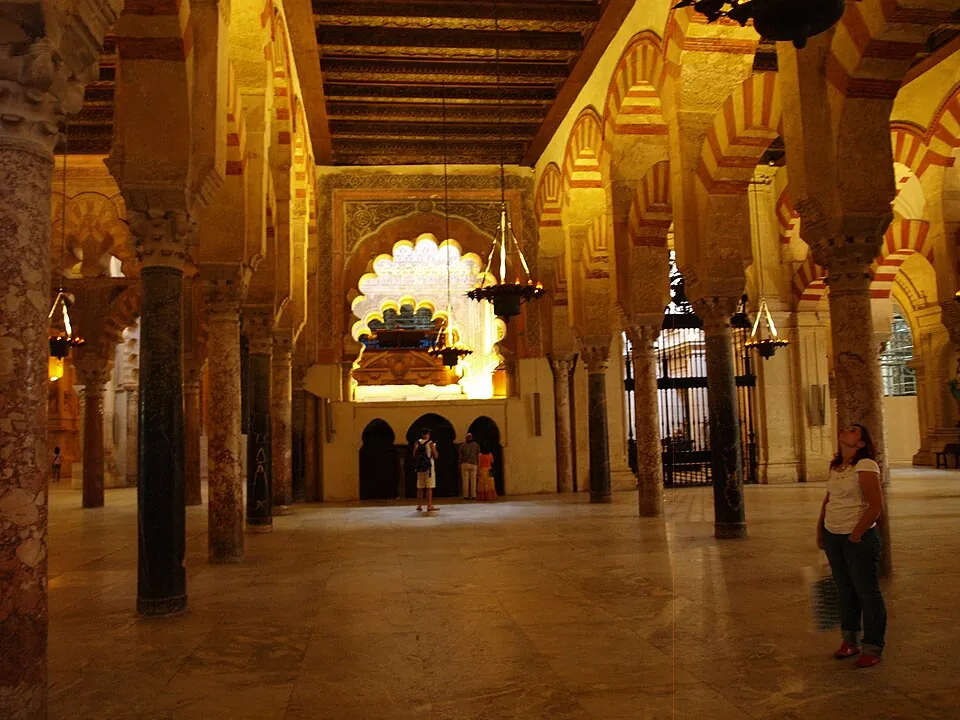
1. The Mosque-Cathedral
This is the monument that defines Córdoba: an 8th-century Umayyad prayer hall whose interior is a forest of columns and red-and-white arches, with a Renaissance cathedral set into its centre. We cover it in detail in our Mosque-Cathedral guide.
2. The Jewish Quarter and its patios
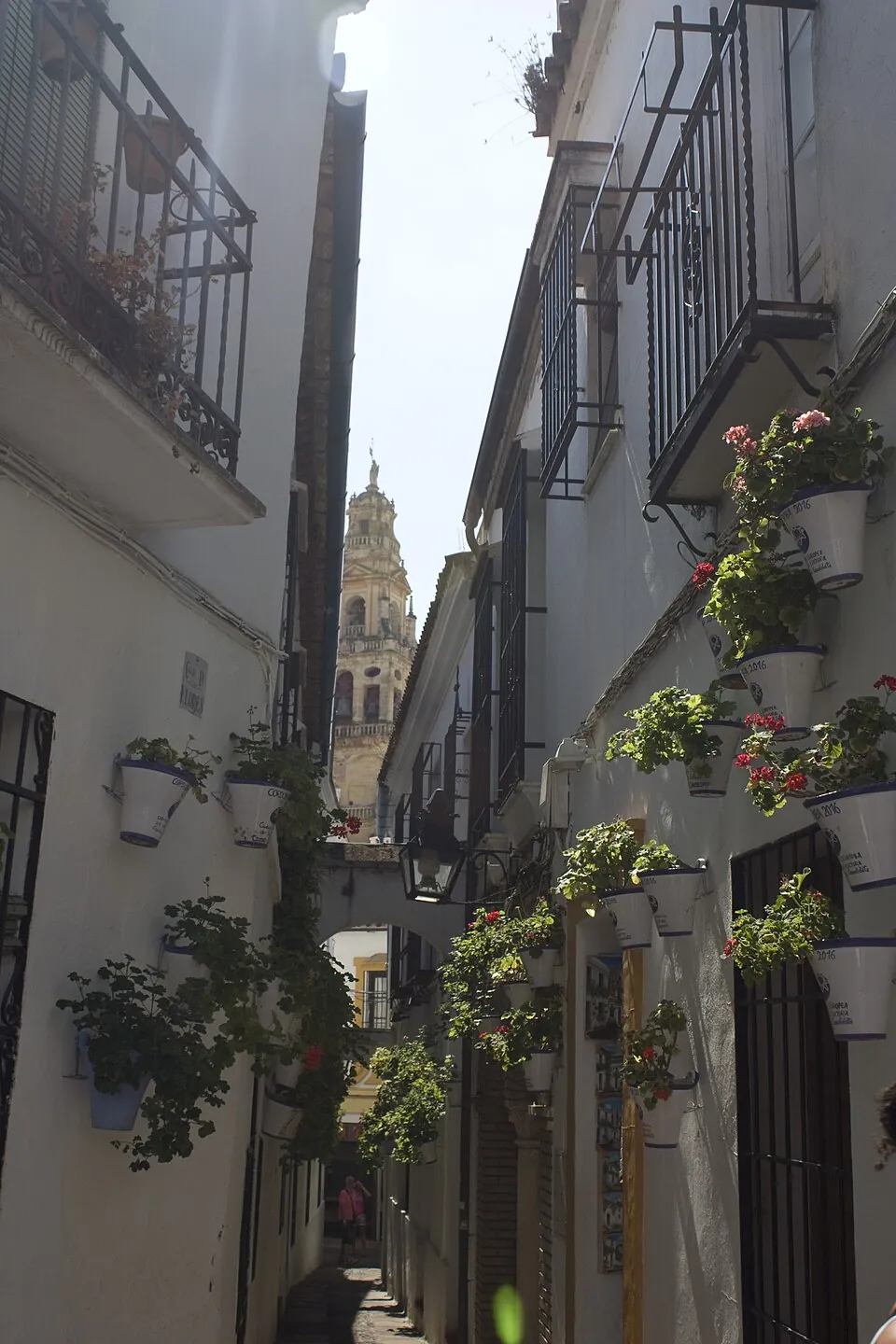
A maze of white lanes, taverns and corners full of flowerpots, such as the Calleja de las Flores. The medieval synagogue is also here, the only one preserved in Andalusia. The whole historic city is in the Córdoba city guide.
3. The Alcázar and the Roman Bridge
The Alcázar of the Christian Monarchs has gardens with ponds and orange trees beside the Guadalquivir. A few steps away, the Roman Bridge and the Calahorra Tower give the classic postcard view of the city, especially at sunset.
4. Medina Azahara
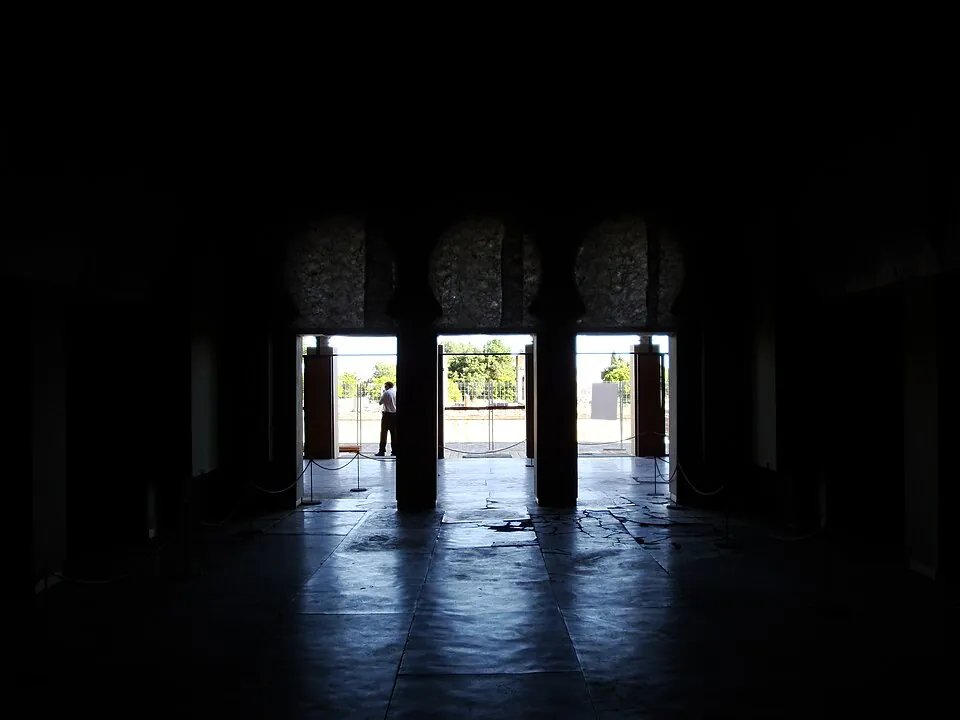
The palace-city that Caliph Abd al-Rahman III had built at the foot of the Sierra Morena has been a World Heritage Site since 2018. Its halls, arches and museum are described in the Medina Azahara guide.
5. The Patios of Córdoba
Every May dozens of houses open their flower-filled courtyards. UNESCO recognised the festival as Intangible Cultural Heritage in 2012. Dates and routes are in the Patios Festival guide.
6. Priego, Zuheros and the Subbética
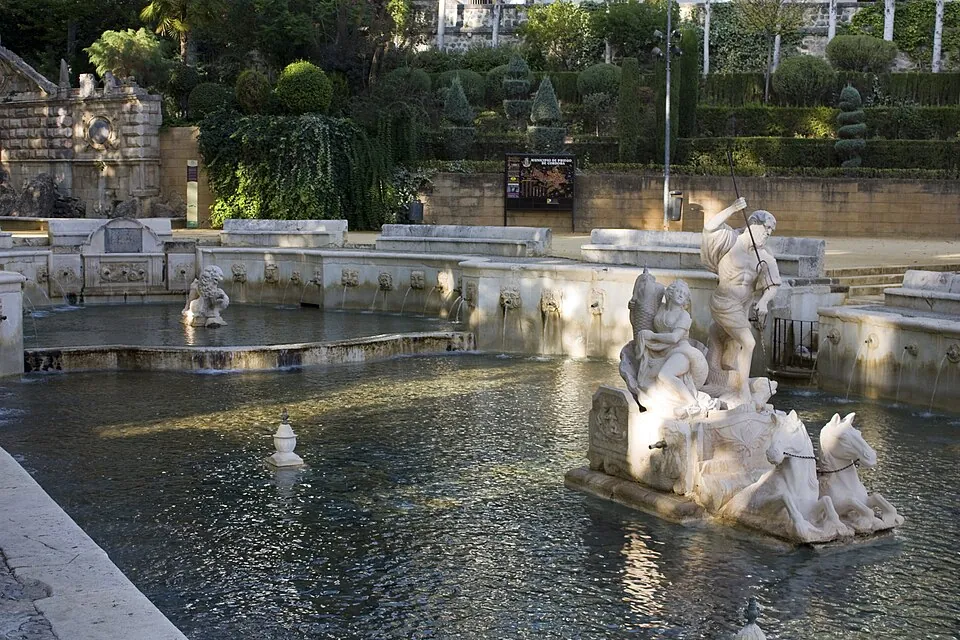
To the south rises a limestone range with white villages and a surprising baroque: the Fuente del Rey in Priego de Córdoba, Zuheros castle above the Bailón canyon and the caves of the natural park. More in the Subbética guide.
7. Almodóvar del Río castle
A medieval fortress on a hill above the Guadalquivir, about 30 kilometres from the capital, very well preserved and recognisable from TV series. It is a half-day trip that pairs well with the Middle Valley.
8. Montilla-Moriles and olive oil
The Southern Campiña is the land of fino, amontillado and Pedro Ximénez, and the province has several protected designations of origin for extra virgin olive oil. A winery or oil mill visit is one of the best plans: wine and olive oil in Córdoba.
9. Los Pedroches
The north of the province is another world: holm-oak dehesa, granite, Iberian ham and one of the clearest skies in Andalusia. The area's main town is Pozoblanco; see the Los Pedroches guide.
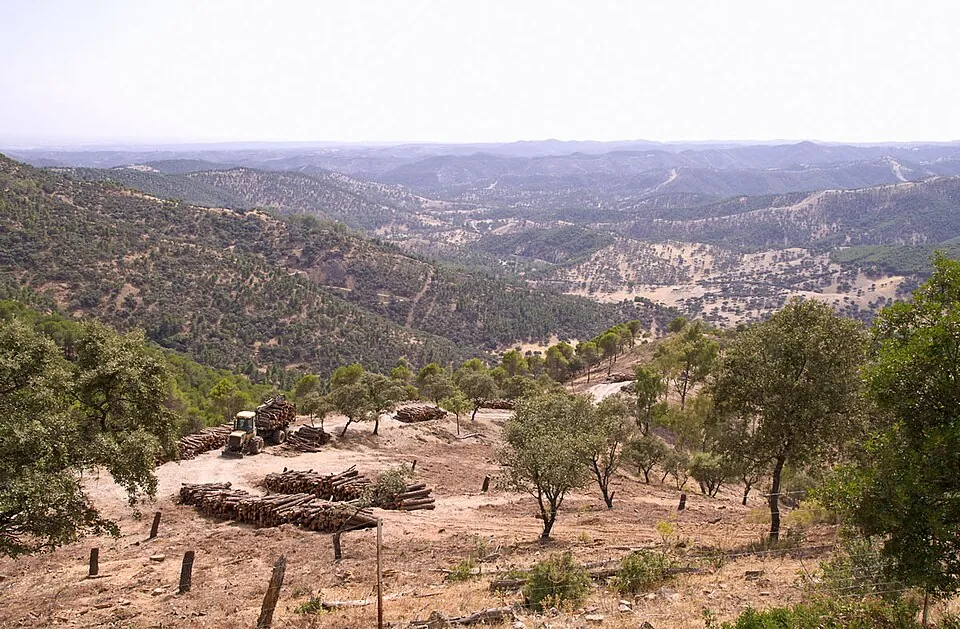
10. Mountains, lagoons and natural parks
Hornachuelos, Cardeña y Montoro and the Subbética Mountains are the province's three natural parks, joined by lagoons such as Zóñar. Plans and routes in natural parks and green areas.
- Córdoba city
- Los Pedroches
- Guadiato Valley
- Alto Guadalquivir
- Middle Guadalquivir Valley
- Southern Campiña
- Guadajoz and Eastern Campiña
- Subbética
Tap an area to open its guide. Municipal boundaries: IGN/CNIG via es-atlas (CC BY 4.0). Areas follow the usual division of the province.
July and August average above 36 °C: spring (April-May) and autumn (October) are the best times to visit. Source: AEMET, Córdoba Airport station, 1981-2010 normals.
Frequently asked questions
How many days do I need to see Córdoba?
One or two days cover the capital (Mezquita, Jewish Quarter and Medina Azahara); allow four to six if you add the Subbética, Los Pedroches and the wineries of the Campiña.
When is the best time to visit Córdoba?
Spring (April-May, with patios and May Crosses) and autumn (October). Summer is very hot: average highs in July and August exceed 36 °C.