Monuments and archaeological sites
Romans, caliphs, castles and baroque: twenty centuries of history across the province.
Key points
- Córdoba has two World Heritage Sites: the Historic Centre with the Mosque-Cathedral and the caliphal city of Medina Azahara.
- The province preserves castles of Andalusi origin (Almodóvar, Zuheros, Luque, Belmez), an Iberian-Roman archaeological park in Baena and a Roman villa in Almedinilla.
- The baroque shines in Priego de Córdoba, and the Fernandine churches dot the capital's old town.
Rome in Córdoba
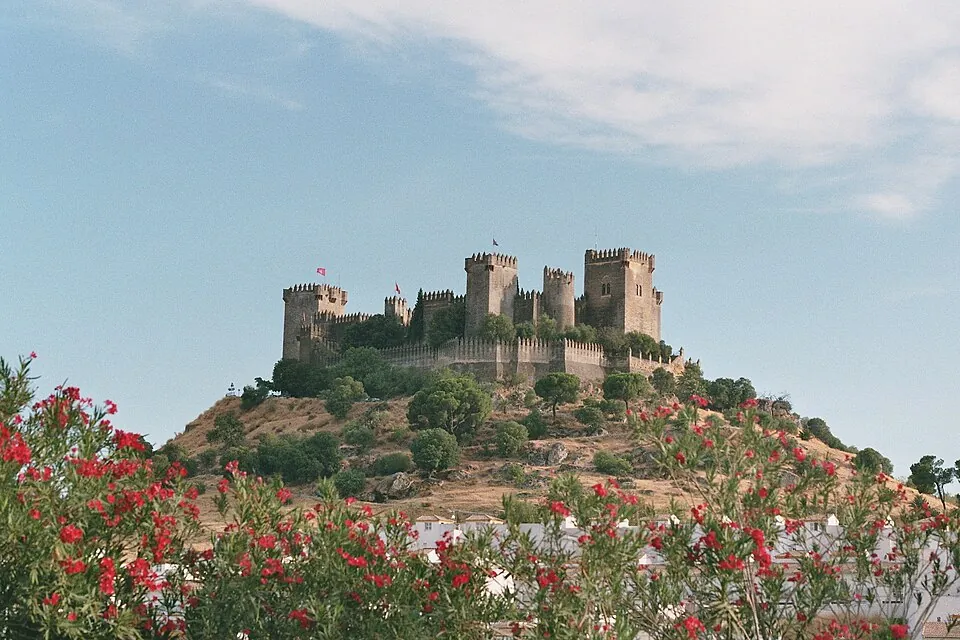
Corduba was founded by the Romans in the 2nd century BC and became capital of the province of Baetica. From that time remain the Roman Bridge (heavily rebuilt), the Roman temple on Calle Claudio Marcelo, mosaics in the Alcázar and, outside the capital, the Roman villa of El Ruedo in Almedinilla, with its museum.
Al-Andalus: from the caliphate to the castles
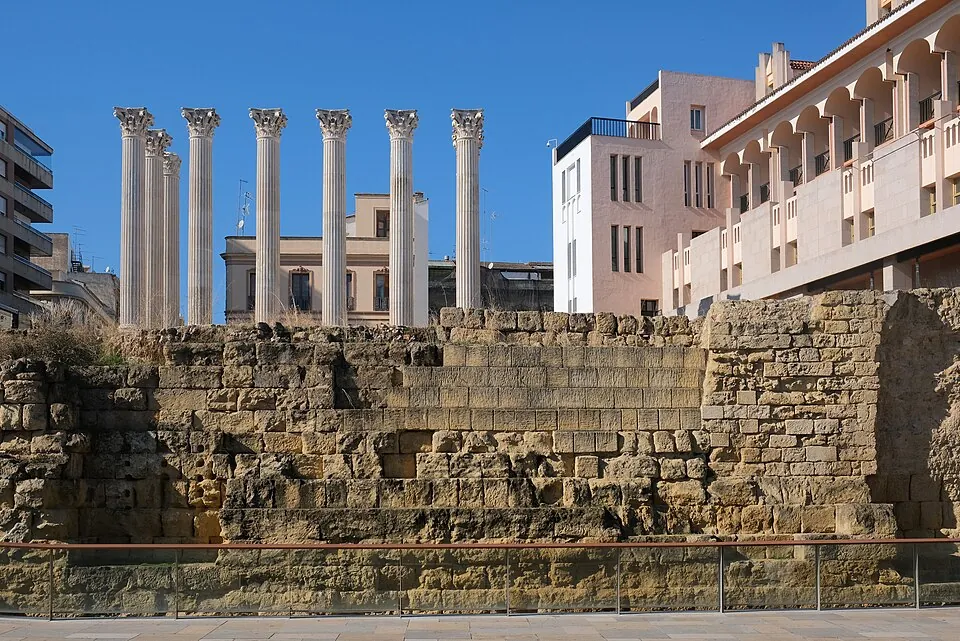
In the 10th century Córdoba was one of the largest cities in Europe. The Mosque and Medina Azahara are its great witnesses, together with the caliphal baths and the city walls. Across the province remain fortresses of Andalusi origin, rebuilt after the Christian conquest: Almodóvar del Río, Zuheros, Luque, Belmez and the Moral castle in Lucena, where Boabdil was imprisoned in 1483.
Castles to see
- Almodóvar del RíoOne of the best-preserved fortresses in the peninsula, on a hill beside the Guadalquivir.
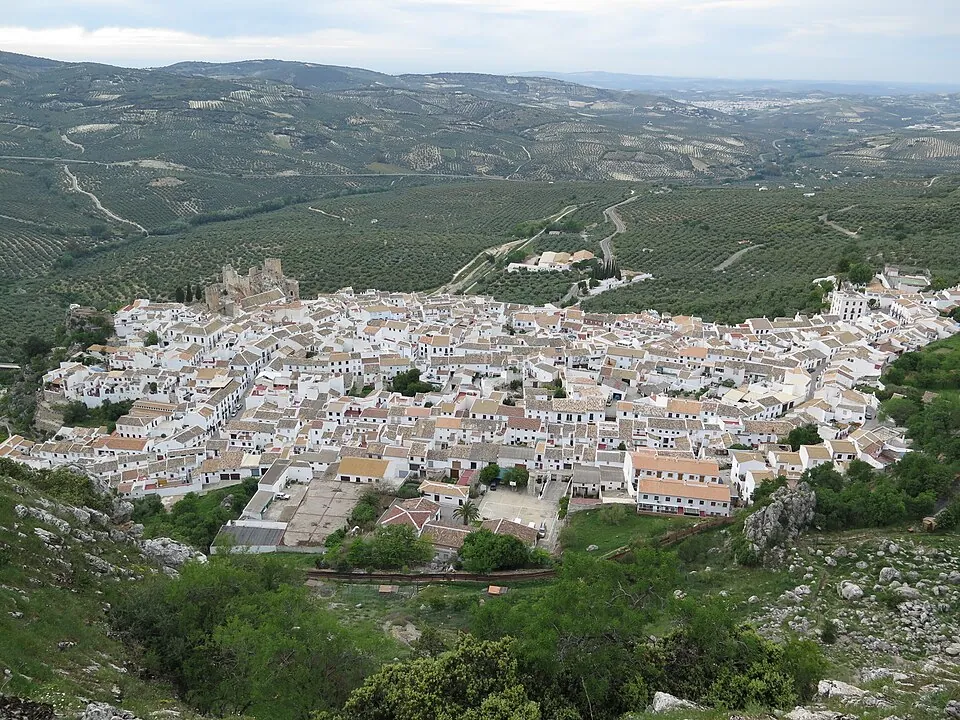
- ZuherosAn Arab castle on a cliff, with the white village at its feet and the Bailón canyon beside it.
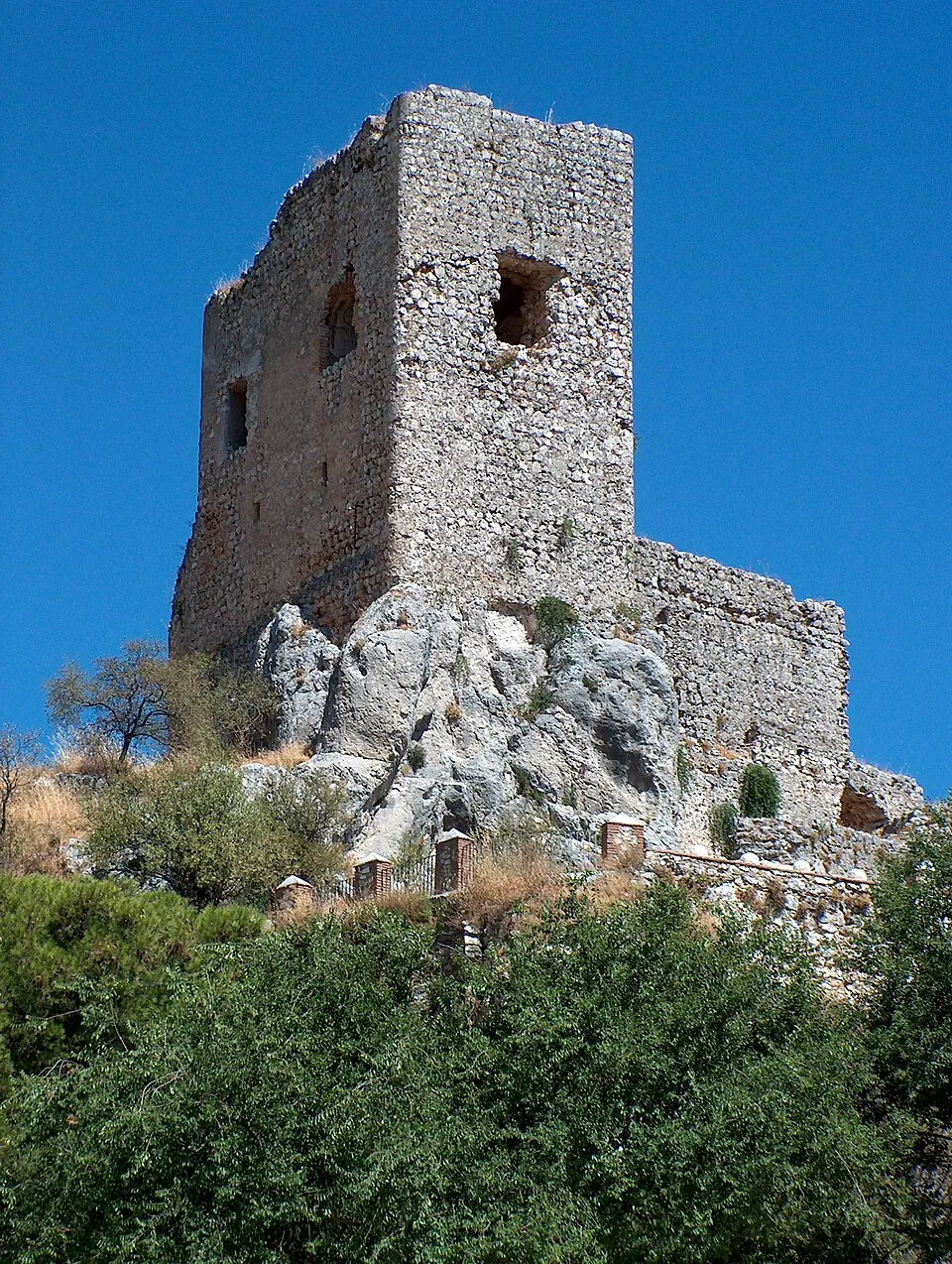
- LuqueA castle of Andalusi origin on a rock in the heart of the Subbética.
- BelalcázarThe Sotomayor castle, 15th-century Gothic, dominates Los Pedroches.
- BelmezA fortress on a rock in the Guadiato Valley.
- LucenaMoral castle: Boabdil was held here after the battle of 1483.
Iberians and Romans in Baena
The Torreparedones Archaeological Park, between Baena and Castro del Río, is an Iberian and Roman city with walls, streets and public buildings, including a forum. In Almedinilla, the Iberian settlement of Cerro de la Cruz and the Roman villa of El Ruedo complete an archaeological route through the Subbética.
Baroque and Fernandine churches
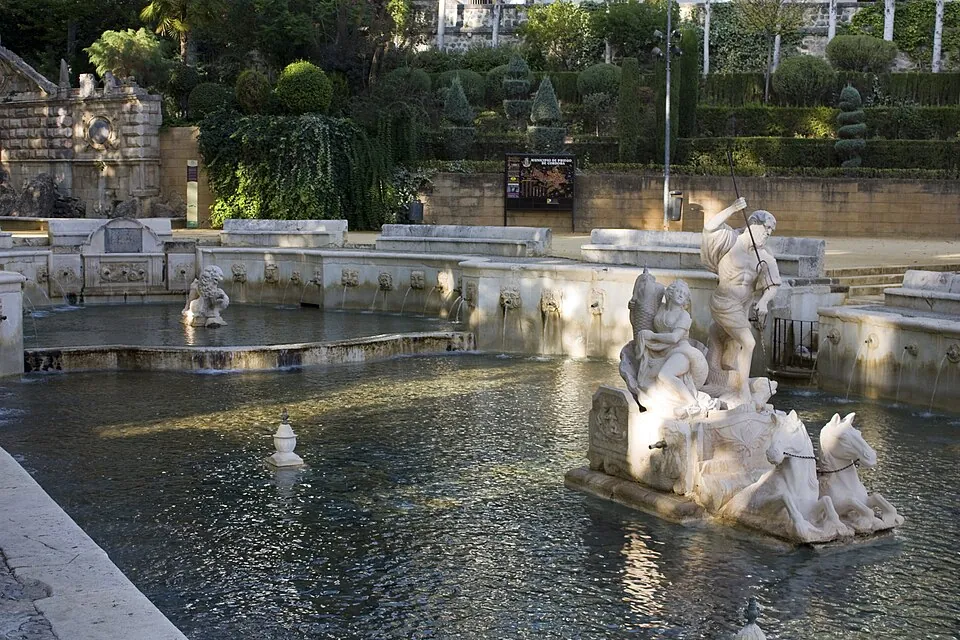
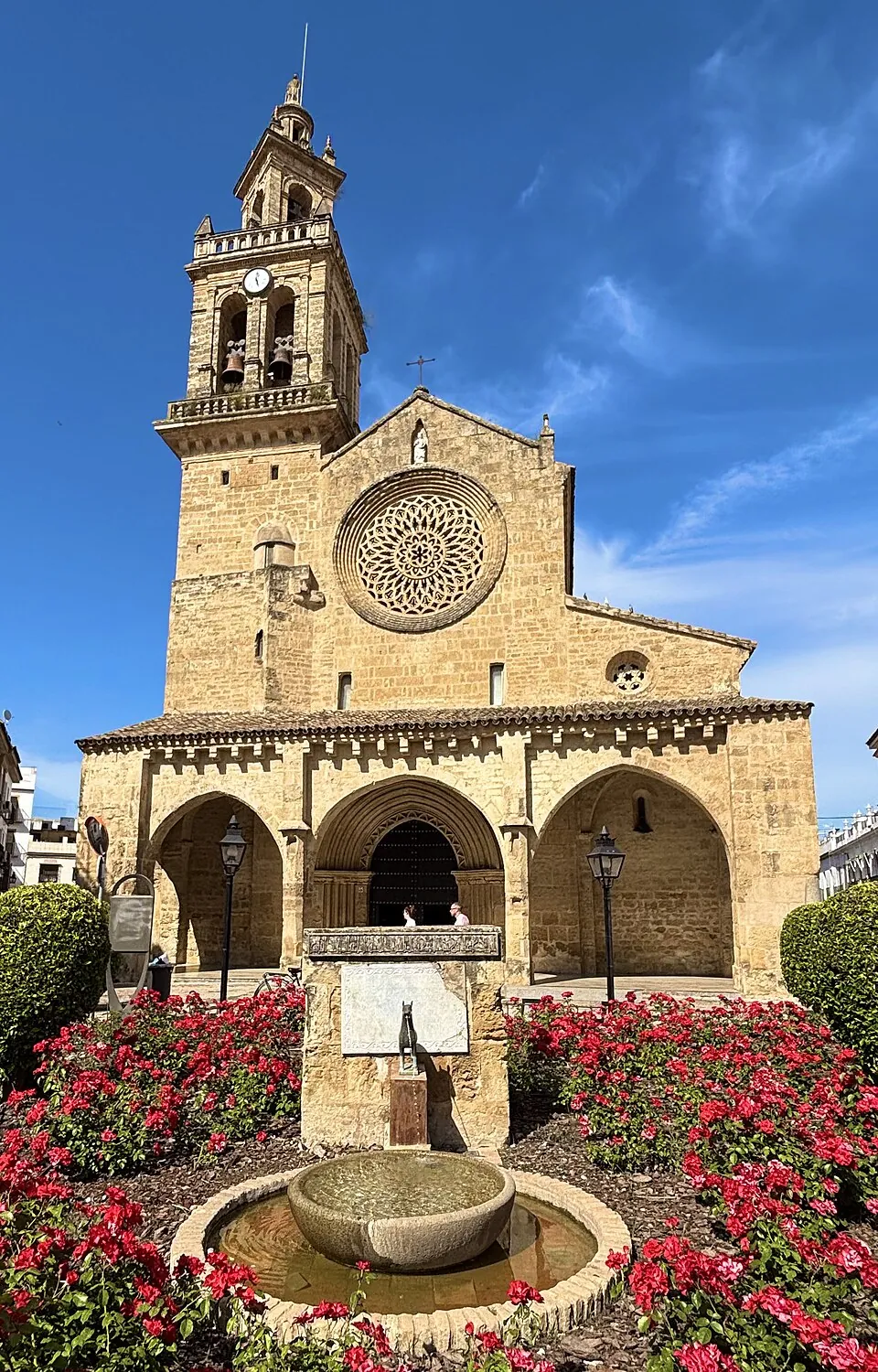
After the conquest of 1236, Ferdinand III had Gothic-Mudéjar churches built in the capital, the so-called Fernandine churches (San Lorenzo, San Miguel, Santa Marina…). The 18th century left its mark on Priego de Córdoba, with the parish church of the Asunción, the Fuente del Rey and the Villa quarter.
How to organise it
For a weekend: Saturday in the capital and Sunday at Medina Azahara. For three days, add Almodóvar del Río and a day in the Subbética. More ideas in tourist routes and Plan your trip.
Frequently asked questions
Which Córdoba monuments are World Heritage?
The Historic Centre of Córdoba (including the Mezquita-Cathedral, inscribed in 1984 and extended in 1994) and the Caliphate City of Medina Azahara (2018).